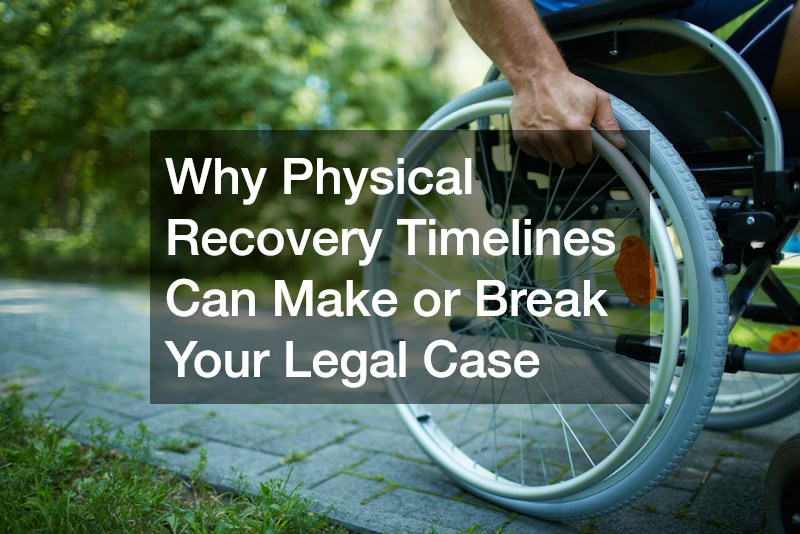
When you’re hurt and trying to heal, the last thing you want to think about is how your recovery schedule affects a legal claim. But the timeline of your physical recovery often shapes what evidence exists, what compensation looks like, and even whether your case succeeds at all. Insurance companies, courts, and opposing attorneys all pay close attention to when and how your injuries were documented and treated. Understanding this connection early can help you avoid mistakes that weaken an otherwise strong claim.
Medical Documentation and Case Strength Over Time
Every doctor visit, physical therapy session, and follow-up appointment creates a paper trail that either supports or undermines your claim. Gaps in treatment can be used against you, with insurers arguing that your injury wasn’t serious enough to warrant ongoing care. Consistent documentation shows a clear line from the incident to your current condition, which is essential when negotiating a settlement or presenting evidence in court.
The timing of your records matters just as much as their content. Early documentation establishes a baseline, while later records show progress or complications that developed over weeks or months. Missing even a few weeks of treatment history can give the other side an opening to question whether your injuries are as severe as claimed.
- Keep copies of all medical bills, imaging results, and discharge summaries
- Attend scheduled follow-up appointments even if you feel improvement
- Ask your provider to note functional limitations, not just pain levels
- Request written documentation of any missed work or activity restrictions
How Recovery Speed Affects Settlement Value

Insurance adjusters often use recovery timelines as a shortcut to estimate how much a claim is worth. A quick recovery might suggest minor injuries, while a prolonged one can indicate long-term impact, future medical needs, or permanent limitations. This is why settling too early, before your full prognosis is known, can leave money on the table.
Cases that drag on for months or years due to slow healing require careful tracking of expenses, lost wages, and emotional toll. Adjusters will scrutinize whether your treatment matches the severity you’re claiming, so unexplained delays or inconsistent care can hurt your position. Patience during recovery, paired with thorough record keeping, often results in a more accurate and fair settlement offer.
Why Criminal Charges Can Complicate Physical Injury Claims
When an injury stems from an incident involving potential criminal conduct, such as an assault or a hit-and-run, the legal landscape becomes more complicated. A criminal attorney may become necessary if charges are filed against the person who caused your injury, since criminal proceedings can run parallel to any civil claim you pursue. The outcome of a criminal case, including guilty pleas or convictions, can sometimes be used as supporting evidence in your personal injury matter.
Timing becomes especially tricky in these situations because criminal cases often take precedence over civil litigation. Your physical recovery might be well underway before the criminal case even reaches resolution, creating a mismatch between your healing timeline and the legal process. Staying informed about both tracks helps you avoid surprises that could affect your compensation.
DWI Accidents and the Recovery Clock
Injuries caused by impaired drivers come with their own unique timeline pressures. DWI attorneys frequently work with injured clients whose recovery stretches far beyond what initial estimates suggested, since the force involved in alcohol-related crashes tends to cause more severe trauma. These cases often involve both criminal penalties for the driver and a separate civil claim for damages, meaning your medical recovery needs to be tracked carefully across both proceedings.
Because DWI cases often result in clearer liability, the focus shifts heavily toward proving the extent and duration of your injuries. Insurance companies may still try to argue that your recovery took longer than medically necessary, especially if there are any gaps in your treatment history. Working closely with your medical team to document every stage of healing gives your case a stronger foundation.
- Request a copy of the police report and any toxicology results early on
- Track all rehabilitation milestones, not just the initial emergency treatment
- Keep a daily journal noting pain levels, mobility, and setbacks
- Save receipts for medical equipment, home modifications, or assistance needed during recovery
Long-Term Disability and Benefit Applications
When physical recovery stretches into permanent impairment, some injured individuals need to pursue disability benefits alongside their personal injury claim. Social security attorneys often help clients navigate the complex application process, which relies heavily on detailed medical records showing the full trajectory of an injury. The timeline matters enormously here, since benefit programs typically require proof that a condition has lasted or is expected to last a specific duration.
Applying too early, before your condition has stabilized, can result in a denial that takes months to appeal. Waiting too long, on the other hand, might delay much-needed financial support during a difficult recovery period. Coordinating the timing of a disability application with your ongoing medical treatment ensures the strongest possible case for approval.
Steps to Protect Your Case While You Heal
There are practical steps you can take during recovery that strengthen your legal position without requiring legal expertise. Staying organized and proactive throughout your healing process makes a significant difference when it comes time to negotiate or litigate your claim. Small habits, practiced consistently, add up to a much stronger case file.
Communication with your medical providers and legal representative should happen regularly, not just at major milestones. Any change in your condition, whether improvement or setback, should be documented and shared promptly. This ongoing dialogue helps ensure nothing important slips through the cracks as your case progresses.
- Follow all prescribed treatment plans exactly as directed
- Avoid posting about your recovery or activities on social media
- Keep a written timeline of appointments, symptoms, and conversations
- Notify your legal representative of any new diagnoses or complications promptly
Your physical recovery and your legal case are more connected than most people realize, with timing influencing everything from evidence to settlement value. Paying attention to documentation, communicating consistently with your medical team, and understanding how different legal processes intersect with your healing can make a real difference in the outcome. If your situation involves criminal charges, impaired driving, or long-term disability, seeking knowledgeable guidance early can help you avoid costly timing mistakes. Taking these steps now puts you in a stronger position to achieve a fair resolution once you’re ready to move forward.