Highlights
- Pedestrian crashes can cause serious injuries, medical expenses, and major financial challenges.
- An attorney can explain liability, insurance coverage, filing deadlines, and potential compensation.
- Early investigation helps preserve videos, witness accounts, photographs, and other evidence.
- Legal guidance can prevent injured pedestrians from accepting premature insurance settlements.
- Compensation may address medical expenses, lost income, pain, and future care needs.
- State laws affect fault, deadlines, damages, and the steps required to pursue a claim.
Why Is Legal Guidance Important After a Pedestrian Crash?
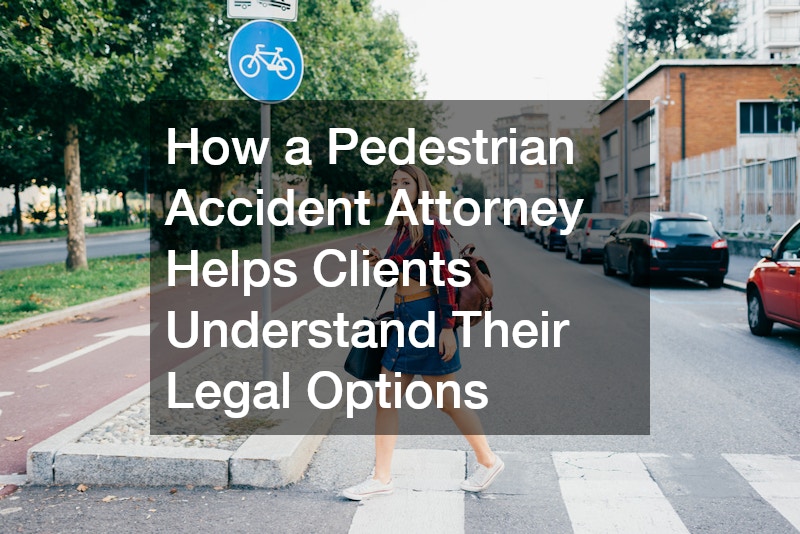
Legal guidance is important because a pedestrian crash can create immediate medical, financial, and insurance concerns. In 2024, 7,080 pedestrians were killed and more than 71,000 were injured in traffic crashes nationwide, according to the National Highway Traffic Safety Administration. A pedestrian accident attorney can explain the injured person’s rights, identify available insurance coverage, and determine which parties may be legally responsible.
The attorney can also coordinate an investigation while the client focuses on medical treatment. Because evidence may disappear and legal deadlines can expire, prompt action is often essential. Early legal advice helps clients understand the difference between an insurance claim and a lawsuit, the possible value of documented losses, and the practical steps required to protect a potential case.
How Does an Attorney Investigate What Happened?
An attorney investigates a pedestrian crash by collecting evidence that shows how the collision occurred and who may have contributed to it. This process may include the following steps:
- Obtaining official records: Police reports, emergency response records, citations, and crash diagrams may provide important details.
- Preserving visual evidence: Traffic-camera footage, business surveillance recordings, dashboard-camera video, and photographs can disappear quickly.
- Interviewing witnesses: Independent witnesses may clarify vehicle speed, traffic signals, visibility, and the pedestrian’s location.
- Reviewing physical evidence: Vehicle damage, skid marks, roadway design, lighting, and crosswalk markings may support the analysis.
- Consulting qualified professionals: Reconstruction specialists or medical professionals may help explain disputed issues.
This investigation allows the attorney to compare the evidence with the accounts provided by drivers, witnesses, and insurance companies.
What Legal Issues Can Affect a Pedestrian Injury Claim?
Several legal issues can affect a pedestrian injury claim, including negligence, fault allocation, insurance limits, and filing deadlines. Cornell Law School’s Legal Information Institute explains that negligence is the most common basis for personal injury claims and generally involves a failure to use reasonable care. A driver may be negligent by speeding, failing to yield, driving while distracted, or ignoring a traffic signal. Other parties may also share responsibility, such as an employer whose employee was driving or a government entity responsible for a hazardous roadway condition. State law determines how a pedestrian’s conduct affects recovery if both sides share fault. A pedestrian accident attorney can apply the appropriate state rules, explain realistic options, and identify the evidence needed to support each element of the claim.
How Can Legal Counsel Manage Insurance Communications?
Legal counsel can manage insurance communications by serving as the client’s primary point of contact and evaluating requests before information is released. Insurance adjusters may ask for recorded statements, medical authorizations, prior health records, or a quick settlement agreement. Some requests may be reasonable, while others may be broader than necessary or presented before the full extent of the injuries is known. An attorney can provide relevant documentation, respond to questions, and challenge inaccurate descriptions of the crash. Legal counsel can also review coverage from the driver’s liability policy, the pedestrian’s auto policy, and other potentially applicable sources. This support helps clients avoid signing releases or accepting payments without understanding which rights they may be giving up. It also creates an organized record of medical expenses, lost income, and insurance communications.
What Compensation May Be Available to an Injured Pedestrian?
The compensation available depends on the injuries, insurance coverage, state law, and evidence connecting the losses to the collision. Cornell Law School notes that personal injury damages may compensate successful plaintiffs for medical expenses, lost wages, pain and suffering, emotional distress, and other losses. Relevant categories may include:
- Medical expenses: Emergency treatment, hospitalization, rehabilitation, medication, equipment, and follow-up care may be considered.
- Lost earnings: A claim may include missed wages and reduced future earning capacity when injuries affect employment.
- Pain and suffering: Physical pain, emotional distress, disability, and loss of normal activities may be relevant.
- Future needs: Serious injuries may require ongoing therapy, home modifications, personal care, or additional procedures.
- Property losses: Damaged phones, clothing, mobility devices, and other personal property may be included.
- Wrongful death losses: Eligible family members may have separate legal options following a fatal collision.
Why Do Crash Circumstances Matter When Evaluating Fault?
Crash circumstances matter because pedestrian cases are rarely decided by one fact alone. The Centers for Disease Control and Prevention identifies speed, location, vehicle size, and alcohol as major pedestrian-crash risk factors. The agency also reports that higher vehicle speeds increase both the likelihood of a pedestrian being struck and the severity of resulting injuries. Attorneys may examine lighting, weather, roadway design, traffic controls, driver distraction, turning movements, and whether the collision occurred near a crosswalk. These details can influence liability and injury severity. A careful evaluation helps separate assumptions from evidence and allows legal counsel to address arguments raised by insurers. It may also reveal that more than one driver, business, property owner, employer, or government entity contributed to the hazardous conditions.
How Does an Attorney Help Clients Choose the Next Step?
An attorney helps clients choose the next step by comparing the available legal options and explaining the potential risks of each one. Some claims can be resolved through documented insurance negotiations, while others require a lawsuit when liability is disputed or an insurer refuses to offer reasonable compensation. Legal counsel can discuss the likely timeline, anticipated costs, strength of the available evidence, settlement considerations, and what clients should expect during litigation. The client remains responsible for major decisions, including whether to accept an offer, but those choices should be based on clear information rather than pressure or uncertainty. Working with a pedestrian accident attorney gives injured clients an advocate who can protect deadlines, develop the claim, and pursue an outcome that reflects their documented losses. Strong legal representation provides direction when physical recovery, financial stability, and long-term security are all at stake.