1. What Is Personal Injury Law?
1.1 Definition and Scope
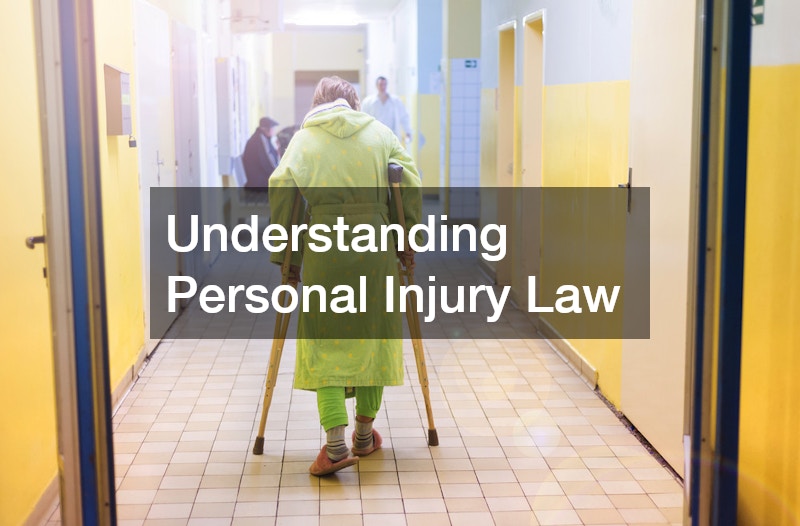
Personal injury law, also known as tort law, allows an injured individual to file a lawsuit in court and get a legal remedy for all losses stemming from an accident or other incident. The aim of personal injury law is to make the injured party “whole” again and discourage others from committing the same offense. The scope of this area extends across various incidents like car accidents, slip and falls, and workplace injuries, allowing for a broad application of the law.
Fundamentally, personal injury law encompasses all manners of harms and seeks compensation for tangible and intangible losses, manifesting its versatility. Institutions and individuals alike must navigate this legal domain to ensure justice, underscoring the complexity and relevance of personal injury law.
1.2 Types of Personal Injury Cases
Personal injury cases are diverse, representing physical, emotional, and financial harm stemming from accidents, negligence, or malpractice. Among the most common examples are car accidents, which account for a substantial portion of claims. Medical malpractice claims, arising from negligence by healthcare providers, can lead to severe consequences and substantial compensation. Product liability cases hold manufacturers accountable for faulty products that cause harm, ensuring consumer safety. Each type has unique legal pathways, which invariably influence the handling of cases and the strategies employed by legal professionals.
1.3 Common Terms Used in Personal Injury Cases
Understanding personal injury law involves familiarity with key legal terms such as “plaintiff,” “defendant,” and “damages.” The plaintiff is the injured party bringing forth the lawsuit, while the defendant is the individual or entity whose actions are alleged to have caused the injury. Terms such as “negligence” represent the failure to act with appropriate care, leading to injury, which is a cornerstone concept in many personal injury cases. “Damages” refer to the monetary compensation sought or awarded in a lawsuit, classified as “compensatory” or “punitive” depending on the circumstances. These terms are pivotal in navigating the personal injury landscape, impacting strategy and presentation.
2. How Does the Legal Process Work?
2.1 Filing a Claim
The process begins with filing a claim, where the injured party officially notifies the court and the opposing party of their intent to seek compensation. This stage involves drafting and submitting a complaint document detailing the injury, how it occurred, and the sought damages. It is always suggested to work with a personal injury attorney to complete this process. Understanding jurisdictional requirements and timelines is crucial, as these dictate the venue and deadlines for submissions. Filing a claim sets the motion for pre-trial processes, allowing for negotiations or mediations to resolve disputes before progressing further. Guidance from legal professionals ensures proper documentation and adherence to procedural standards, marking a critical step in the pursuit of justice.
2.2 Gathering Evidence
Gathering evidence is instrumental, forming the foundation upon which personal injury claims are built and substantiated. This entails compiling medical records, expert testimonies, police reports, and accident reconstruction analyses. The process often requires extensive collaboration between legal teams, investigators, and involved parties to fortify claims with comprehensive evidence. Pursuing thorough documentation and preserving evidence integrity is essential, given its influence on negotiations and trial outcomes. Effective evidence collection enhances credibility, enabling legal representatives to advocate more convincingly on behalf of their clients.
2.3 Negotiation and Mediation
Negotiation and mediation are pivotal pre-trial processes allowing parties to discuss settlements and resolve disputes without courtroom proceedings. Mediation involves a neutral third party facilitating discussions to reach a mutually agreeable solution, often proving time-efficient and less adversarial than a trial. Successful negotiation hinges on clear presentation of facts and calculated assessment of damages, facilitated by experienced legal professionals. If negotiations fail, parties may engage mediators who guide discussions toward compromise and creative dispute resolutions. Mediation’s collaborative essence can ease emotional strain, providing a supportive atmosphere distinct from formal trial settings.
Understanding personal injury law encompasses its history, legal processes, and complexities underlying compensation and challenges. The diverse cases, from accidents to product liabilities, highlight the extensive legal avenues available for justice and recompense. Choosing the right legal representative, while navigating procedural challenges, underpins successful outcomes in personal injury claims. Preserving rights through timely legal actions, negotiating effectively with insurers, and confronting emotional barriers, embodies the comprehensive journey of a personal injury case. It is imperative for victims to seek professional legal advice, ensuring informed decision-making and optimizing potential resolutions tailored to individual circumstances.