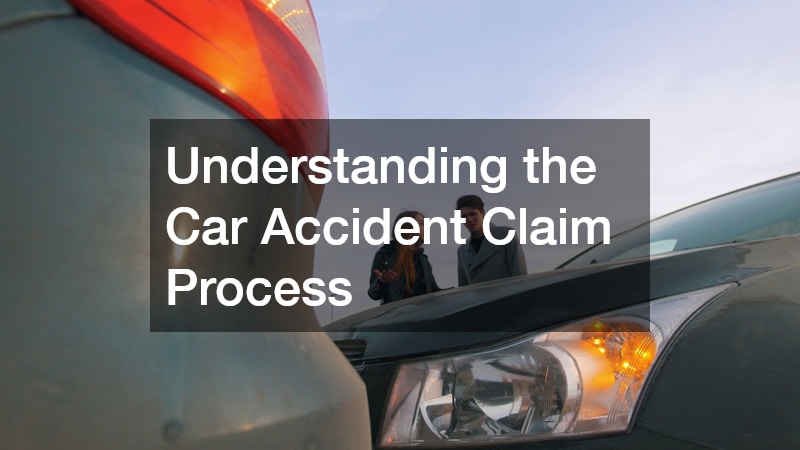
Being involved in a car accident can be stressful and overwhelming. Beyond the immediate concerns of health and safety, navigating the insurance claim process often adds another layer of complexity. Understanding the steps involved in filing and resolving a car accident claim can help drivers protect their rights, manage expenses, and achieve a fair resolution.
Accident and injury lawyers can provide essential guidance during this process, ensuring that claims are handled properly and that victims receive the compensation they deserve.
What Steps Should I Take Immediately After an Accident?
The first priority after a car accident is to ensure the safety and well-being of everyone involved. Move to a safe location if possible, and check for injuries to yourself, passengers, and others.
Even minor accidents can result in delayed or hidden injuries, so seeking medical attention promptly is essential. Documenting any injuries at this stage also helps support insurance claims later.
Gathering evidence immediately after an accident strengthens your claim and provides clarity in case of disputes. Take photographs of vehicle damage, road conditions, and any visible injuries. Exchange contact and insurance information with other drivers involved, and obtain contact information for any witnesses. Keeping detailed notes about the accident, including time, location, and weather conditions, can further support your case.
Reporting the accident to local authorities is often required by law, especially if injuries or significant property damage are involved. A police report provides an official record of the incident, which can be vital during the claim process. Contact your insurance company promptly to report the accident and begin the claims process. Providing accurate and thorough information at this stage helps prevent delays or disputes later.
How Do I File a Car Accident Claim?
Before filing a claim, review your insurance policy to understand coverage, deductibles, and the procedures for submitting a claim. Policies may vary in terms of liability limits, personal injury coverage, and property damage protection. Being familiar with your policy helps you know what to expect, avoid misunderstandings, and determine whether additional legal support may be necessary.
To file a claim, you will need to compile relevant documentation. This may include the police report, photographs of the accident scene and vehicle damage, medical records for any injuries, repair estimates, and correspondence with other parties or insurance companies. Maintaining an organized record ensures that all necessary information is available when requested, making the process more efficient.
Once documentation is collected, submit the claim to your insurance provider according to their procedures. Many insurers allow claims to be filed online, by phone, or in person. Provide a clear description of the accident, the damages, and any injuries sustained. Keep copies of all submitted documents and confirm receipt with your insurance company. Accident and injury lawyers can assist in reviewing claims before submission to ensure that nothing is omitted and that your interests are fully protected.
What Happens After the Claim Is Filed?
After a claim is submitted, the insurance company typically conducts an investigation. This may involve reviewing the police report, inspecting vehicle damage, interviewing witnesses, and analyzing liability. Cooperation with the insurer and providing accurate information is essential. In some cases, insurers may request additional evidence or clarification, so staying responsive and organized is important to avoid delays.
Once the investigation is complete, the insurance company may propose a settlement based on the documented damages and liability assessment. Negotiation may be necessary if the initial offer does not fully cover medical expenses, lost wages, or vehicle repair costs. Accident and injury lawyers can play a critical role during this stage, advocating for fair compensation and negotiating with insurers on behalf of the client.
The claim process may result in a fair settlement, partial settlement, or, in some cases, denial of the claim. If the claim is approved, funds are disbursed to cover repairs, medical costs, or other losses. If disputes arise, legal recourse may be required to protect your rights. Staying informed about your options and working with professionals can help ensure a satisfactory resolution.
Understanding the car accident claim process can alleviate stress and empower drivers to take the right steps after an accident. From assessing safety and collecting evidence to filing a claim and negotiating settlements, being prepared is key.
Accident and injury lawyers provide valuable guidance throughout this process, helping ensure that claims are handled correctly and that victims receive the compensation they deserve. By following these steps and seeking professional support when needed, drivers can navigate the aftermath of a car accident more effectively and with greater confidence.